How to Help an Anxious Dog
It can be agony to watch your dog suffer from anxiety. No one likes to see their best buddy scared or stressed out. There are some things you can do to help your anxious pup, both in the short term and in the long run. Here’s what to know about anxiety in dogs and how to help an anxious dog:
Start With Understanding Anxiety in Dogs
Anxiety is a normal part of life. It’s related to fear, which is the nervous system’s response to a real or perceived threat. When your dog perceives a threat, their body will prepare for the freeze, fight, or flight response. They may even fawn by turning into a Velcro dog.
Dogs reacting anxiously can be experiencing a normal, healthy stress response, but when a dog has anxiety, they are often experiencing prolonged stress and their reaction is disproportionate to what’s happening, which usually isn’t dangerous.
Symptoms of Anxiety in Dogs
Symptoms of anxiety in dogs may include:
Dogs in the midst of anxiety can also sometimes experience heart murmurs; in most cases, they are harmless and resolve themselves as the dog relaxes. They may also develop lesions or sores from scratching themselves. A dog may hide and tuck in its tail. Anxious dogs may grind their teeth as well.
Types of Anxiety in Dogs
- Noise anxiety
- Separation anxiety
- Social anxiety
- Age-related anxiety
There are several common fears and phobias in dogs. Dogs may not necessarily have an anxiety disorder to feel anxious in these situations. Many dogs feel anxious during thunderstorms or fireworks, but tend to calm quickly once the situation is over.
When it comes to anxiety, the general types of anxiety in dogs can be categorized as noise anxiety (including storm anxiety), separation anxiety, and social anxiety (including travel anxiety, anxiety in unfamiliar situations, etc.).
Anxiety in dogs can also be caused by underlying medical conditions that cause pain or inflammation, as well as age-related changes, like mental decline or Canine Cognitive Dysfunction Syndrome.
Separation Anxiety is Specific
Destructive behavior can manifest, but it is not always a sign of anxiety in dogs. If your pup is destroying the furniture, it might be because they are afraid and dislike being alone. This is more common with separation anxiety, especially if it is focused around areas of egress, entry, and exit, like doors, windows, and crates.
How to Help an Anxious Dog
Whether your dog is generally anxious or you’re working on something specific, like keeping your dog calm during fireworks, here are some of the many ways you may be able to help alleviate your dog’s anxiety:
1. Increase Training
Anxiety may be getting to your dog partly because their concentration levels are too low. Dogs that are bored may start acting anxiously until they have an outlet for that energy. It can also be a sign that your dog is lonely.
Try playing new games with your dog, teaching them new skills, and walking new routes. The more engaged they are in the here and now, the less energy they will use on anxious thoughts and behaviors. Plus, they’ll enjoy spending time with their favorite person while being active and working their brains.
2. Work on Socialization
A common trigger of anxiety in dogs is the fear of unfamiliar situations, people, animals, things, etc. Dogs who were not socialized properly or enough as puppies can often be anxious in unfamiliar situations or around people they don’t know. Puppies may be anxious at first, but can become more confident as they are socialized more.
It’s important to socialize your puppy early and often, and continue to socialize them as they grow. If you rescued or adopted an older dog that isn’t socialized as well, you can still work on socialization with them to help reduce their anxiety in unfamiliar situations. Don’t hesitate to enlist the help of a professional trainer. This is a way to help shy dogs interact with other dogs and people, and can make a big difference in helping your dog.
3. Increase Exercise and Play Games
Anxious behaviors and energy can be a sign your dog isn’t getting enough exercise, or just a sign that they need an outlet for that built-up anxious energy. Increase their exercise and play games with them. Exercise can help alleviate stress and increase endorphins – even in dogs! Playing games with your pup can help them feel better in the moment and build confidence as well.
4. Swaddle Your Pup
Similar to babies, swaddling your dog can also help reduce anxiety in some cases. This completely depends on the dog. Some dogs do not enjoy hugs or feeling constricted. And, some dogs will lash out if they are constricted in any way when they are anxious.
Some dogs will seek out comfort and cuddles from their favorite people during anxious moments, while others don’t. If your dog doesn’t normally enjoy hugs and cuddles and doesn’t seek you out when they are feeling anxious, this probably isn’t right for them.
If it’s the right move for your dog, during stressful moments, wrap your dog in a big hug or a blanket to let them know they are safe. If making a blanket fort or crating isn’t quite right for your dog, you might be able to try compression shirts. Compression shirts can give your dog that sense of safety, especially when it comes to something like storm anxiety and calming your dog during a storm.
5. Try a Massage
If your dog seeks you out when they are feeling anxious, giving your dog a massage can be very helpful to soothe them. Whether a massage or intentional, mindful petting, this quiet, calm, bonding time with your dog can help calm them as well. Use long and smooth strokes to calm your dog’s nerves. You can also try circular motions to calm them.
6. Play Soothing Music
Soothing music could also help your dog with anxiety by creating a calmer, more comfortable atmosphere. In the same way that certain types of sounds and melodies can calm a person, dogs can be calmed by certain sounds.
Try soothing music or exploring musical recordings specially designed to help dogs calm down. Just watch the volume to make sure you’re not playing it too loudly for your dog’s sensitive hearing. What sounds quiet to you may still be too loud for them, especially if they are feeling anxious.
7. Consider Behavior Modification and Desensitization
In more serious or intense cases of anxiety, especially those caused by fear or phobia, you can work with a professional to use behavior modification and desensitization, or counterconditioning, to help your dog’s anxiety. These methods expose your pup to small amounts of the stressor at hand and attempt to lessen the anxious response over time.
Separation anxiety, which is common in dogs, can be alleviated through this technique. You can leave your pup at home on their own for increasingly larger amounts of time, and tie these experiences to rewards like extra playtime, cuddles, or treats to give them positive reinforcement.
If they are afraid to be around people, have a few less familiar, but trusted, friends or family members visit regularly. Slowly build up their tolerance to the source of their anxiety, and they may start to have a less anxious response. A similar approach can be used for cases of car sickness in dogs that are caused by a fear of the car.
8. Visit Your Vet
If your dog is showing signs of anxiety, it’s a good idea to visit your vet. They will be able to rule out other things and make the call on what kind of anxiety your dog has, and whether or not they need medication.
Your vet can also help you figure out the best way to help your dog when they are feeling anxious. They may even recommend trying some catnip, which is one of the plants that are safe for dogs and can help alleviate anxiety in dogs in some cases. While catnip can be more of a stimulant for cats, it tends to have more of a sedative, calming effect on dogs.
These are just a few tips on how to help an anxious dog and work with your dog’s anxiety. Before starting a new activity or routine, or giving your dog anything, it’s a good idea to visit your vet to get them cleared for those things and to rule out any underlying health issues or irritations that could be contributing to, or causing, your dog to be anxious.
Why is My Dog’s Face Swollen?
It can be concerning if you notice that your dog’s face is swollen. It can indicate underlying issues that most likely will need medical attention. If you ever have to ask, “Why is my dog’s face swollen?”, being able to identify the reason can help you determine the next best steps. Here are a few potential reasons your dog’s face is swollen and what you can do to help:
4 Potential Reasons Your Dog’s Face Is Swollen
If your dog has a swollen face, it’s often due to an underlying medical issue or reaction to a specific cause. These are a few potential reasons your dog’s face is swollen:
1. Allergic Reaction
Allergic reactions are a fairly common skin problem in dogs and can cause swelling in the area that is affected or in a completely different part of the body. If the facial swelling is sudden, it could be because of an allergic reaction or an inflammatory reaction. While some of this facial swelling might not be serious, it should still be checked out by your veterinarian just in case.
Common Allergies That Can Cause Facial Swelling in Dogs
The most common typical allergies that affect dogs and may cause facial swelling include:
- Dust or mold
- Certain medications
- Pollen or other plants
- Insect bites or stings
- Certain foods
- Other environmental allergies
Signs of Allergic Reactions in Dogs
Depending on the severity of the allergy, the signs of allergic responses in dogs can include:
- Hives
- Facial swelling
- Swelling around the eyes
- Skin redness
- Itchiness
- Diarrhea
- Vomiting
- Weakness
- Pale gums
- Anaphylactic shock
If your dog experiences an allergic reaction to any of these triggers, they may experience hives or swelling, especially in the facial area. You may also see some swelling around the eyes, red skin, or notice your dog is so itchy.
These reactions can come on quickly and become worse, sometimes causing diarrhea or vomiting, pale gums, or weakness. They may also experience anaphylactic shock. If your dog experiences any of these symptoms, make sure to call your vet immediately.
For more serious reactions, go to the emergency vet as soon as you can. If your dog is experiencing an anaphylactic reaction, it is an emergency, and they should be taken to the nearest veterinarian hospital as soon as possible.
2. Dental Issues
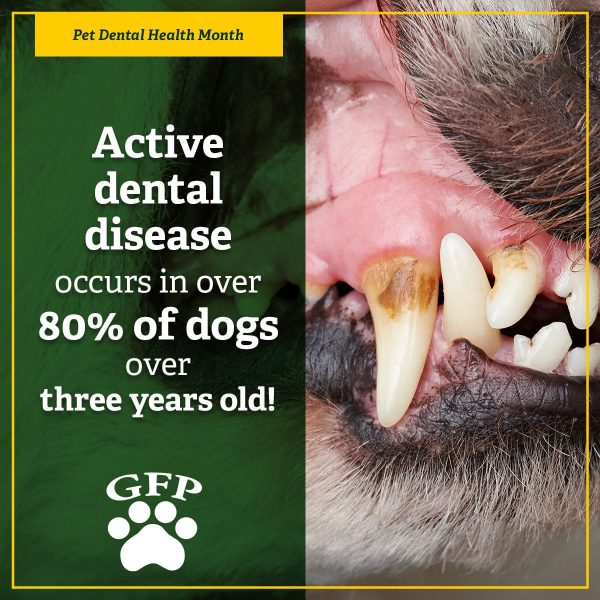
If your dog has any dental-related issues, they may experience some swelling in their face. Periodontal disease, or gum disease, might cause facial swelling, so be sure to have a vet examine your dog’s teeth and mouth. Other issues, like infections or abscesses of the gum or tooth, will cause facial swelling. Oral injuries, like a broken tooth, may also cause swelling.
3. Trauma or Injury
If your dog experiences any injury to the face or head, facial swelling is often a common symptom. If your dog is bitten by another dog or animal, the area may get infected, causing swelling.
Your dog’s face or muzzle is a common location for snake bites, which often cause swelling. If your dog was chasing or sniffing at bees, or if your dog ate a bee, and they are stung inside their mouth or on their muzzle, you’ll see facial swelling as a reaction.
4. Tumors
Any abnormal growth in the head will cause swelling. As these growths spread, they can cause damage to the facial structure, nerves, and muscles. This will cause pain and swelling. Cysts, which are growths filled with fluid, can also appear on the face, leading to facial swelling. Certain kinds of cancer may also cause facial swelling if located in or near the head.
How Vets Determine the Cause of Facial Swelling in Dogs
If you notice that your dog’s face is swollen, you should schedule an appointment with your veterinarian. They will ask you about any activities your dog has recently been involved in or any new medications or substances they may have come in contact with. They will also ask if your dog has any known allergies.
Some things veterinarians can use to diagnose the cause of facial swelling in dogs include:
- Initial exams
- X-rays
- Skin scraping
- CT scans
- MRI scans
Once the initial exam is complete, they may recommend more testing, such as X-rays. X-rays can look for tumors or periodontal disease, as well as other oral injuries. Sometimes, vets will preemptively prescribe medications, like antibiotics, if an abscess is suspected. If the medication works, this can help your vet determine a diagnosis of the swelling.
If an allergic reaction is suspected, your vet may do a skin scraping. These skin cells will be analyzed at a lab to help determine what exact allergen is causing their reaction. Skin scraping can also be used to test for certain tumors of the skin of the head.
CT (computed tomography) or MRI (magnetic resonance imaging) testing is sometimes used to diagnose facial swelling as well. This is often used when cancer or dental disease is suspected. It may also be used if your dog has experienced a facial injury.
How To Treat Facial Swelling In Dogs
The treatment of facial swelling will depend on what is causing the swelling. Some mild swelling might clear up on its own, but you still should check with your vet just in case. Even mild swelling might indicate an issue that might become a bigger problem down the road. Catching it early might make a big difference in a better prognosis.
Dental
If the swelling is because of dental disease, there are a variety of treatments that might be recommended. Sometimes, more regular dental cleanings at the vet for periodontal maintenance will be recommended to keep your dog’s teeth and gums healthy. In other cases, tooth removal might be the best solution.
Abscess
In the case of an abscess, antibiotics will treat the infection and reduce swelling. Depending on how bad the infection is, your dog may require another round of antibiotics or even a different type of antibiotics. Your veterinarian will schedule a follow-up appointment just to make sure everything is clearing up as it should be.
Allergies
In the case of allergic reactions, there are different types of treatments to try. These often depend on how bad the allergic reaction is and the cause. Most often, an anti-inflammatory drug is used. Sometimes, your vet may prescribe an over-the-counter medication that is safe for dogs, like an antihistamine, to manage the reaction. In very severe cases, intravenous fluids might be provided.
Bites, Other Injuries, or Cancer
If the swelling is caused by an insect or snake bite, it will depend on the type of bite. With something like a snake bite, you want to make sure you get to an emergency vet in case it causes a serious reaction. If the bite is from a venomous species, your vet will need to determine exactly what treatment is necessary.
If another type of injury or cancer is causing the swelling, your vet may prescribe an anti-inflammatory medication to help treat the swelling, while also working on addressing the underlying cause. In some cases, pain medication will be prescribed as well.
How to Prevent Facial Swelling in Dogs
While it’s impossible to prevent every possible cause of facial swelling in dogs, you need to be aware of what might be a potential cause. If you know the causes, you can put some preventative measures in place to protect your dog. Here are some ways to prevent facial swelling in dogs:
1. Avoid Things That You Know Cause an Allergic Reaction
If you know that your dog is allergic to something, try your best to keep them away from that specific allergen. This also goes for any known reactions to medication or vaccines. You can ask your veterinarian for advice, and they may prescribe something to minimize the reaction in advance.
2. Prioritize Your Dog’s Dental Health
To avoid dental issues, good dental care for dogs makes a big difference and is important. If you don’t already have a dental care routine, it’s a good idea to start one. Good dental care early and consistently throughout your dog’s life can help prevent dental problems and other issues, like periodontal disease, later in life.
3. Take Precautions to Reduce the Risk of Injury
In order to prevent most traumas, don’t let your dog roam free in a non-fenced area. If you are in a non-fenced area, be sure your dog is on a leash at all times. If your dog is playing with another dog or animal, make sure to supervise in case you need to step in to prevent injury. Close supervision is a dog park etiquette tip to make sure you follow. If any trauma occurs, be sure to contact your vet for advice.
4. Keep Up With Regular Vet Visits
Facial swelling caused by tumors or cancer is not always preventable. However, the sooner you seek treatment, the higher the chance your dog will have a good prognosis. Keeping up with regular vet visits and contacting your dog for anything concerning you see with your dog can help you catch anything that might be starting to happen early.
So, if you’re wondering, “Why is my dog’s face swollen?”, the answer may not necessarily always be straightforward. However, with some help from your veterinarian, you should be able to find the underlying issue and help your dog feel better!
Why Do Dogs Bring You Things?
Have you ever come home from work or running errands to find your dog enthusiastically waiting for you, along with a toy or ball in their mouth? It can be quite endearing that your dog loves you so much and wants to bring you a gift when you come home. You might wonder why dogs exhibit this behavior of bringing gifts to you or guests when they visit. So, why do dogs bring you things? Here are a few reasons your dog might bring you things:
1. They Want To Play
If you’ve been gone all day and your dog was home all alone, they probably simply took a lot of naps. But once you’re back home, they’re all excited and ready to play! When they bring you a toy the moment you come home, they are telling you they want to spend time with you and to play.
Channeling Excited Energy Into Play
Dogs need plenty of mental stimulation, especially if they’ve been home alone for a while, so they are craving that interaction and stimulation. If they are overly excited that you’re home and are ready to play, it might be a sign your dog is lonely.
If possible, you may want to consider asking a friend to check in once a day or hire a dog sitter or walker. Doggy daycare is another great option! Giving your dog some company and an outlet for their energy when you have to be away from home are some benefits of doggy daycare.
Associating Specific Patterns and Cues With Playtime
They may also have learned that you tend to play with them as soon as you get home. Dogs learn by recognizing patterns. So, if this has been a consistent behavior, they may have associated playtime with this pattern and learned to expect it when you return. Bringing you a toy is just part of this routine.
2. It’s Instinctual
Many dogs have been bred for specific behaviors. One of these behaviors is retrieving, or quite literally bringing something to their owner. If your dog is a retrieving breed, they will bring you gifts, even if they have not been asked to. This behavior is as natural to them as herding is to breeds like Australian Shepherds, Border Collies, or Sheepdogs
If you have a retrieving breed, you won’t even necessarily need to teach them how to retrieve. This is because this behavior is often self-reinforced, which means that a specific action is a reward in itself. Simply finding an object and taking it to you can make them feel important and valuable. This is why dogs like Labrador Retrievers seem to have an almost insatiable need for retrieving.
3. They’re Trying To Get Your Attention
Bringing you a gift is a great way for your dog to get your attention. Dogs are pretty smart. They know that if they bring you a gift, you have to pay attention to them. They might bring you an object that communicates to you what they want, such as a leash for a walk or a ball to play fetch.
4. Your Dog Wants To Show Off Their Toy
Sometimes a dog will bring you their favorite toy, but not necessarily to communicate that they want to play at that exact moment. Sometimes, they simply want to show off. Dogs love attention and may appear to tease you with their toy.
They might dance around with it, but then quickly retreat when you reach for it. This is simply a way for them to hold your attention for longer, and it’s often a fun game for most dogs. Paying attention to and playing with your dog is a great way to build a bond with your dog. Plus, it’s a great way to socialize with them and even help them calm down for the rest of the evening.
5. They Are Telling You They Love You
Has your dog ever brought you their favorite toy when you are feeling sad or upset? This can be a way dogs show love. Dogs are perceptive when it comes to human emotion and often do their best to help cheer them up.
If a certain toy makes your dog happy, they may think that the same toy will help cheer you up, too. While there is no concrete proof that dogs bring gifts to their humans for this reason, many dog owners have shared this experience.
6. They’re Asking For Help
Sometimes dogs bring you things to indicate that they need help or assistance in some way. For example, if it’s dinner time, and you still haven’t fed them, they may bring your bowl to you to remind you that they are hungry. If their water bowl is empty, they may do the same thing.
7. Your Dog Is Greeting Your Guest
Some dogs love to bring guests their toys as a way to introduce themselves. If a dog brings a guest a toy, it is a good indicator that they feel safe and comfortable around this person. If your guest is someone they know well, bringing them a toy is a way of saying hello and maybe even asking that person to play with them.
If your dog is shy around new people, there are some tips to help your shy dog be more comfortable. Early socialization can help dogs adjust to unfamiliar situations, and once they warm up to a new guest, they’ll be bringing them gifts in no time!
So, why do dogs bring you things? There are a lot of reasons, but most often it’s because they are looking for attention of some sort. Making sure your dog gets plenty of attention is important in maintaining their mental health and well-being.
How to Calm a Restless Dog at Night
Just like us humans, dogs need a good night’s rest. And like humans, some dogs can experience restlessness at night and have trouble settling down to sleep. If you’re dealing with a restless dog, here’s how to calm a restless dog at night:
1. Establish a Sleep Routine
A good daily routine for your dog, including an evening and sleep routine, can be really helpful in helping your dog sleep well. Dogs tend to thrive on routine because they like predictability and consistency. Not having a routine is one of the ways you might be annoying your dog, so if you don’t have one, you should think about starting one.
Try a bedtime routine that allows your dog to calm down for the evening. These activities might vary, depending on your dog’s personality, but you can try a short and leisurely walk, some light grooming, or a low-key playtime. You can also try to create a more calming atmosphere with dimmer lights that can help signal to your dog that it’s soon time to sleep.
2. Make Them A Cozy Sleep Space
Dogs like to feel safe when they sleep, so make sure they have a cozy and comfortable spot. Dog beds can be a good option for their sleeping spot. There are a few things to consider as you choose a dog bed, like your dog’s size and the type of bed that works in your home.
If your dog seems to avoid their sleeping spot, you might need to try a few other spots around the house to see if something suits them better. You can also try using some positive reinforcement by putting a treat or two on their bed until they consistently go there to sleep.
3. Help Them Relax With Dog-Friendly Sounds
Because dogs have such a strong sense of hearing, the smallest noise can distract them and make them restless. If you suspect noises are keeping your dog up, you can try some dog-friendly sounds to help them sleep.
There are music streaming services such as Spotify and YouTube that offer playlists and songs specifically produced with dogs in mind. These songs and sounds can help your dog feel safe and calm, guaranteeing a peaceful night of rest for your furry friend.
4. Make Sure They Get Enough Exercise
If you’ve ever laid down on your bed after a long and tiring day, you know how easy it is to fall asleep. The same goes for dogs, so making sure they get plenty of exercise can help your dog sleep through the night. If they’re restless, this could be a sign your dog isn’t getting enough exercise.
The amount of exercise a dog needs will depend on their size or breed, so it’s important to be aware of what your dog’s specific needs are. Age and any health conditions will also be contributing factors to the amount of exercise each dog needs. If you aren’t sure, be sure to talk to your veterinarian. They can offer you advice and help you determine what is best for your pet.
5. Give Them Something to Cuddle With
Some dogs seek comfort in their toys, so make sure they have something soft to cuddle with while they sleep. If possible, try to get them something new so they associate this specific toy with bedtime.
It will give them something to look forward to and to entice them to settle down for a nice rest. Making sure your dog or puppy has a toy or stuffed animal to cuddle with is just one of the tips to help your puppy sleep through the night.
These are just a few tips for how to calm a restless dog at night. Implementing some of these tips may help your dog settle down and allow them (and you!) to enjoy a good night’s sleep!
Do Dogs Know Their Name?
When you bring home a new dog, you probably put a lot of thought into their name. However, sometimes it might feel like your dog doesn’t know their whole name, while other times it seems like they know it. So, do dogs know their name?
How Well Do Dogs Understand Our Words?
Dogs can understand a fairly impressive number of words. Some studies have shown that dogs may understand up to about 200 words, with some dogs understanding even more. Dogs tend to process language much like humans. They do this by paying attention to body language, the tone of the voice, and context clues. All of these things help dogs learn a varied vocabulary.
Dogs also tend to learn through association. Have you ever noticed that when you say “walk”, they get very excited and dance around, anxious to get outside? Sometimes, dogs can even “learn” the spelling of a word! Because that word is almost always followed up by that behavior, dogs associate that word with that specific action or behavior. They especially pay attention when it’s something they like, like food.
Do Dogs Know Their Name?
When it comes to a dog learning their name, dogs tend to learn their name as well as other words within a week. This is probably because they associate their name with positive interactions, like attention or a treat.
If your dog ignores you when you call their name, this might not mean your dog is stubborn. They might not actually know their name or recognize a nickname. You may need to work on some training to help them learn.
It might feel overwhelming to pick the right name for your dog, and a complicated name may confuse them. To help your dog quickly learn and recognize their name, try to pick something short and simple.
Do Dogs Know Their Nicknames?
Almost every dog has a variety of nicknames that they’re given throughout their lifetime. This is especially true if they have a longer name. Shortening their name a little bit or calling them something cute or silly is something many pet owners do. But do they recognize these nicknames just like their name?
Dogs do have difficulty recognizing differences in words that sound alike. So if your nickname for your dog is a shortened version of their actual name, they probably just think it’s the same word. However, if you have a nickname that doesn’t relate to their actual name, they may have learned that responding to that nickname gets them the same amount of attention as responding to their name.
How To Tell If a Dog Knows Their Name
If you’re wondering if your dog really does know their name and isn’t just responding to cues like body language or tone of your voice, there are a few ways to tell if your dog knows their name.
They Come to You When They Hear Their Name
If you call your dog’s name and they come to you, even if they are far away, this can be a big indicator that they recognize their name. If they can’t physically see you, they aren’t able to read your body language and look for cues that tell them you are paying attention to them. This means they heard their name, the word they associate with attention, and came looking for you.
Your Dog Pays Attention When You Say Their Name
Another way to tell if your dog understands their name is if they perk up, tilt their head, or immediately look at you when you say their name. You may also see some other dog body language, such as perking up their ears, wagging their tail, or even a short bark of excitement.
4 Tips to Teach Your Dog Their Name
If you’ve recently brought home a new puppy and wish to teach them their name, here are a few tips to teach your dog their name.
1. Keep It Separate From Obedience Training
To avoid any confusion, avoid simultaneously teaching your dog their name with obedience and basic training. If your dog hasn’t learned their name before beginning obedience training, try to keep it separate. Not doing so could be a way you’re confusing your dog, especially a young puppy.
2. Use Positive Tones!
Remember, dogs associate tone of voice with certain words. When you begin using your dog’s name, try to always use a happy or excited tone of voice. Try to do this when your dog is not looking at you. Once they look your way, say “yes” excitedly and follow up with a treat. This will help your dog learn that responding to that specific word is your cue for getting their attention.
3. Be Consistent
Consistency is one of the most valuable dog training tips. Try to keep the same tone of voice when you use their name. In the first few weeks, or even months, try to keep that positivity in your voice and offer treats or praise whenever they respond to you.
If you happen to talk about your dog while they are in the room with you, try not to use their name if possible. If they hear their name, they may expect a treat or praise, and if they don’t receive that, they may get confused, or it may take longer for them to respond consistently to their name.
4. Try Their Name In New Environments
Once it’s apparent that your dog has learned their name, it’s time to try it in different situations and outside the home. Keeping your dog on a leash, start using their name when they are distracted by something insignificant, like simply walking past you. Then, you can gradually start using their name when bigger distractions are present, such as other people.
Over time, your dog will learn to recognize and respond to their name. Once they master their name, you can try a nickname that’s pretty similar to their name. Just remember to use the name they are the most familiar with in situations where getting their attention is important.
So, do dogs know their names? Dogs are quite smart and can learn and recognize their name, but only after they’ve heard it plenty of times. Putting in the time and effort can go a long way in helping your dog learn it more quickly!
A Dog Owner’s Guide to Insect Bites on Dogs
With so many insects in the world, it’s important to know what different insect or bug bites might look like on your dog. Not all of these bites will necessarily require treatment, but you still should be aware of any possible reactions. Making sure you know how to keep your dog healthy and safe from these bites is an important aspect of dog ownership. Here is a dog owner’s guide to insect bites on dogs:
Common Bug Bites on Dogs
There are a few fairly common bug bites on dogs that you may see over the course of your dog’s life. These common bug bites may include:
- Fleas
- Ticks
- Mosquitos
- Mites
- Bees
- Wasps
- Hornets
- Ants
- Biting flies
- Spiders
Depending on where you live, some of these insect bites might be much more common than others. However, it’s still a good idea to have a good working knowledge of any potential insect bites.
What Do Insect Bites Look Like on Dogs?
Insect bites are a common skin problem in dogs. While some bites look similar, other bites are very distinct. However, there are often similar signs that apply to most insect bites. Here are some signs and symptoms of bug bites on dogs:
- Swelling
- Skin redness
- Inflamed skin where the bite is
- Red spots on the skin
- Skin lesions that are sometimes filled with pus
- Scratching at the area
- Facial swelling
- Hives
Sometimes insect bites can be serious and cause more serious symptoms, including:
- Gastrointestinal issues, like vomiting or diarrhea
- Breathing issues (if it causes an allergic reaction)
- Anaphylactic shock
These include some symptoms that you should not ignore in your dog. If you notice any of these more serious symptoms, make sure you call your vet immediately. Your dog may require immediate medical attention.
How to Identify and Treat Insect Bites on Dogs
Insect bites can appear differently, so it’s essential to be able to distinguish between various types. The right treatment often also varies depending on the bite. Here’s how to identify and treat insect bites on dogs:
1. Fleas
Fleas are one of the most common insect bites you will see on your dog.
What Flea Bites Look Like on Dogs
If your dog has fleas, you will see some small, red spots on the skin, and it may be hard to tell if it’s a flea bite or another insect bite. To determine if it’s a flea bite, you need to look around for flea dirt as well as live fleas. Flea dirt is a combination of fecal matter and dried blood, and it looks like tiny black specs on the skin. Fleas, as well as flea dirt, are often found on a dog’s hind legs, tail, or lower back. Flea dirt is one of the most common signs your dog has fleas.
Sometimes, dogs might have an allergic reaction to the saliva of a flea, which can lead to flea bite dermatitis. This skin condition will cause itchiness all over your dog’s body, as well as hair loss and sores due to excessive scratching. This might be why your dog is so itchy, and all the extra scratching and trauma to the skin may lead to bacterial or yeast infections that may develop alongside the flea allergy.
How to Treat Flea Bites
If your dog has any flea bites, make sure to go over every inch of your dog’s fur with a flea comb to remove any fleas that may still be hiding in their fur. To relieve any itching or irritated skin, ask your vet for any recommendations for a topical treatment. You can also try an oatmeal bath to help soothe the skin; however, make sure to check with your veterinarian first, just in case.
Flea prevention is the best way to protect your dog from fleas. Making sure your dog has a regular tick and flea prevention routine is imperative to keep fleas at bay. There are plenty of preventative treatments available, such as topical products, flea collars, and oral medications. Be sure to talk to your veterinarian to make sure you are choosing the right product for your dog. You also should be administering this treatment year-round, not just during the spring and summer.
2. Ticks
Ticks are another very common insect that you might find on your dog.
What Tick Bites Look Like on Dogs
These parasites like to hide in your dog’s fur and burrow into their skin. Then, they bite into the skin to draw blood from this unwilling participant. When your dog has a tick bite, you will notice inflamed skin and a circular pattern. It’s often red and may be slightly swollen if the tick has fallen off or been removed. You may also notice a scab over the area. This area will most likely be itchy, so your dog will want to scratch. Because of this, this area may become infected.
If a tick is carrying Lyme disease, you may see a red bull’s eye rash form on the skin. However, this is not always the case. If the tick is still hanging onto your dog’s skin, safely remove the tick from your dog. If you suspect it’s a deer tick, make an appointment with your veterinarian so your dog can be tested for Lyme disease.
You should check your dog daily to make sure they have no ticks. This is especially important if you’ve been in an area where ticks are common. There are a few places to look for ticks on your dog, but pay special attention to the feet, head, ears, and neck. They can also be found between the toes, so a thorough examination is necessary.
How to Treat Tick Bites
If your dog does have a tick bite, you should clean the area with a gentle soap and water. This will help remove any bacteria, allowing the area to heal. You can also apply an antibiotic ointment if you have any on hand.
If you’re not sure what to use, make sure to ask your veterinarian. Keep an eye on the affected area and monitor it for any signs of swelling or infection. If you notice anything, call your veterinarian. They may be able to advise you over the phone or may want to see your dog in the office.
Much like fleas, prevention is imperative in avoiding trick bites. It’s pretty common for flea and tick prevention to be combined into one treatment, so you don’t have to administer two treatments. This preventative measure should be applied year-round to keep your dog safe and healthy. This is an important spring safety tip for dogs that can help protect your dog from ticks.
This is just an overview of a dog owner’s guide to insect bites on dogs. Oftentimes, insect bites are nothing more than a minor nuisance to your dog. However, sometimes the bites can cause or lead to an infection. This is why it’s helpful to be aware of what kind of bites. Your dog may encounter and how to treat them.
What to Know About SARDS in Dogs
Nothing is scarier than realizing your dog all of a sudden is blind. Sudden Acquired Retinal Degeneration Syndrome (SARDS) is a scary retinal condition that leads to rapid blindness. This blindness can occur within days, making it an alarming condition. Here’s what you need to know about SARDS in dogs:
What is SARDS in Dogs?
There are quite a few common eye problems in dogs, including retinal damage. Unlike common eye issues, sudden acquired retinal degeneration syndrome (SARDS) is a rare eye condition, specifically affecting the retina. SARDS can cause quick and irreversible blindness and can develop as early as a few days to a few weeks or months. Sometimes, SARDS seemingly occurs almost overnight, and dogs have lost almost all ability to see.
With an average onset of 8-10 years, SARDS tends to be more common in older dogs and is found slightly more frequently in spayed females. However, while any dog can get SARDS as it is not an inheritable disease, certain breeds like Beagles, Dachshunds, Maltese, Miniature Schnauzers, Pugs, and brachycephalic breeds may be slightly more susceptible to SARDS. While the blindness caused by SARDS is permanent, there is little to no pain, and most dogs learn to live full lives with their owners’ help!
What Causes SARDS in Dogs?
SARDS is an idiopathic disease, which means that the exact cause of the disease is unknown. It is not an inheritable disease, meaning a dog does not get it from a parent. There is some speculation that SARDS is an autoimmune response that causes inflammation of the retina, but it has not been proven.
Studies have also been done to determine if SARDS is a hormonal issue, but again, the research has not shown any proof. Other research seems to suggest that Cushing’s Disease and SARDS may be linked; however, it has also not been proven.
Other factors, like certain toxins, may be present in a dog with SARDS, but there has not been enough conclusive research done to make a scientific connection. More research is needed in order to fully understand and determine the cause of SARDS.
How Common is SARDS in Dogs?
SARDS is a rare retinal condition. It is fair to say that it is rare and uncommon. It does seem to affect older, spayed female dogs more often, but consistent statistical significance between males and females has not yet been able to be established.
It is important to note that SARDS in dogs is rare. There are only approximately 400 cases of SARDS in dogs in the United States annually. This is only about 0.1-0.2% of the general population of dogs.
How is SARDS Diagnosed in Dogs?
Getting a diagnosis of SARDS will require seeing a veterinarian who will make a tentative diagnosis based on symptoms and your dog’s medical history. They will check your dog’s reflexes and perform an eye exam. Your vet will check your dog’s intraocular pressure to rule out glaucoma.
Confirming SARDS will require an appointment with a veterinary ophthalmologist. A test called an electroretinogram (ERG) shows how the retina responds to light. If a dog has SARDS, the retina will not respond to light, and the electroretinogram will show a flat line.
If a dog has a normal response despite being blind, your veterinarian will most likely recommend an MRI or CT scan, or both. These tests can help diagnose other causes of blindness, like inflammation of the optic nerve or a brain tumor.
This is just an overview of SARDS in dogs. While the exact cause is still unknown, many dogs can live happy lives when symptoms are managed. If you have any questions, don’t be afraid to reach out to your veterinarian.
What to Know About Ataxia in Dogs
Ataxia is a neurological condition that can affect dogs. This condition is characterized by a lack of coordination, unsteady gait, and difficulty maintaining balance. Often, ataxia is a clinical sign of an underlying disorder affecting the nervous system. Here’s what to know about ataxia in dogs:
What is Ataxia in Dogs?
Ataxia is a condition that affects a dog’s body movements and causes coordination issues. This happens if a dog experiences any damage to their nervous system, including the brain, nerves, or spinal cord. When damage occurs to the nervous system, the brain cannot communicate with the rest of the body.
These abnormal movements may occur in the head, body, legs, or all three areas. There are a few different types of ataxia that can occur. These types depend on where the damage to the nervous system is.
3 Types of Ataxia in Dogs
Three types of ataxia can occur in dogs: cerebellar, proprioceptive, and vestibular.
1. Cerebellar Ataxia
When the ataxia is found only in their cerebellum, it is called cerebellar ataxia. The cerebellum is what controls fine motor movements. Because it affects fine motor movements, dogs may look fine when still, but if they begin to move, their limbs may have trouble moving. Dogs with cerebellar ataxia may also exhibit head tremors.
2. Proprioceptive Ataxia
This type of ataxia means a dog has a lack of awareness of where their limbs are. When this happens, they will have difficulty with balance and coordination. When proprioceptive ataxia occurs, it’s because there is pressure on the spinal cord, often from a bulging disc or tumor. A bleeding blood vessel within the spinal cord may also cause proprioceptive ataxia.
3. Vestibular Ataxia
This type of ataxia occurs when there is an abnormal function of the brainstem or inner ear. This can be due to a lesion or infection. This abnormality can cause balance issues and is known as vestibular syndrome.
What Are Ataxia Symptoms in Dogs?
When a dog suffers from ataxia, the most notable symptom is a change in their movements or gait. A dog will become unsteady, almost like a baby learning to walk. They also will have a loss of balance, lethargy, a decrease in appetite, as well as stumbling or a struggle to find their footing.
However, each type of ataxia has some symptoms that are specific to it:
1. Cerebellar Ataxia
If a dog has cerebellar ataxia, they will have a walk with a gait called hypermetria, sometimes also called “goose-stepping”.
2. Proprioceptive Ataxia
Dogs with proprioceptive ataxia show symptoms of dragging their legs or crossing them.
3. Vestibular Ataxia
With vestibular ataxia, dogs may not be able to stand, have abnormal eye movements or head tilts, and may continually roll over. They may also begin vomiting.
These are all symptoms you should never ignore in your dog. If your dog shows any of these symptoms, you should contact your vet immediately.
What Causes Ataxia in Dogs?
There are a variety of causes of ataxia in dogs. These causes can range from mild to very serious. Some causes include:
- Infections, especially of the brain, inner ear, vertebrae, or spinal cord
- Degeneration of any of the spinal discs
- Head or spinal cord trauma
- Hypothyroidism
- Cushing’s Disease
- Some congenital defects, such as cerebellar hypoplasia
- Diet imbalances
- Medication overdose
- Hypoglycemia
- Medication interactions
- Ingesting toxic substances
- Degenerative changes to the cerebellum, spinal cord, or general nervous system
- Developmental issues of the cerebellum or spinal cord
- Brain tumor
- Inflammation in the brain, spinal cord, and nerves
- Medication toxicity
- Pressure on the spinal cord
This is just an overview of ataxia in dogs. While it can be scary to see your dog struggle to walk or have odd movements, getting your dog to a vet is important. They can help diagnose the cause behind the ataxia and, hopefully, get your dog treatment or long-term care.
How to Remove Mats in Dog Hair (And How to Prevent Them in the First Place)
Mats in dog hair are a pain to deal with, for both you and your dog. Regular brushing can help keep them at bay, but sometimes, they may form anyway. If you find yourself in this situation, here’s how to remove mats in dog hair and prevent them in the first place:
What Are Mats in Dog Hair?
If your dog’s fur forms mats, it means the fur gets tangled so much that it forms a tight wad of fur. If that clump does not get brushed out or detangled, it will just get more tangled and collect dirt and oil.
This clump will get bigger and get closer to your dog’s skin, which will cause your dog discomfort or even pain. Mats can also make it much harder to find fleas or ticks, which can cause itching or other health issues.
Certain areas of your dog’s body are more prone to mats than other places. These areas include places where friction occurs, like under a harness or collar, armpits, under their chin, back of the rear legs, or between their toes. They can come in a variety of sizes, from very small to, in some very extreme cases, covering almost your dog’s entire coat.
What Causes Mats in Dog Hair?
There are a few causes of mats in dog hair. If your dog has long or curly fur, they may be more prone to mats. However, even dogs with shorter fur may experience mats. This is because there are a few factors that can cause mats.
1. Friction
If there’s anything that comes into frequent contact with your dog’s fur, it can cause mats. The most common cause of friction are collars, harnesses, or dog clothes like sweaters. These items can rub the fur too much, creating mats. This is why proper fitting of these items is strongly encouraged.
Matting may occur around your dog’s ears or any place they scratch themselves. Scratching can cause mats to form. If you notice scratching and are wondering why your dog is so itchy, it could be due to fleas or allergies.
2. Shedding
When a dog excessively sheds, some of the loose hair can stick to the attached fur. When this happens, mats can form. This is why during the shedding season extra brushings are highly recommended and is an essential dog grooming tip. Not only can regular brushing loosen extra fur, but it also gets rid of those clumps and keeps them from forming mats.
3. Water or Dirt
Some dogs love the water and try to be in water at any opportunity. However, wet fur can create some tangles in the fur, especially if dirt or mud gets mixed in. To prevent this from happening, be sure to rinse your dog after a lake or pool day and give them a good brushing after they’re dry. An essential dog bathing tip is to always brush your dog before bathing to loosen hair, which can help prevent mats from forming.
Are Some Dog Breeds More Prone to Mats?
There are many different dog coat types. Depending on fur type and length, certain breeds may be more susceptible to mats forming in their fur. Dogs that have longer or curly fur or have double coats may develop mats more quickly than other breeds. These breeds can include, but are not limited to, Poodles, Bichons Frise, Border Collies, Yorkies, Huskies, and Cocker Spaniels.
This is an overview of what to know about mats in dog hair. Knowing how and why mats form can help you determine the grooming level of a puppy, get ahead of the problem, and, hopefully, prevent matting. This helps keep your dog comfortable and their coat healthy and looking great!
What to Know About Depression in Dogs
Although dogs don’t necessarily experience the exact emotions that humans do, they still experience emotions. They can get excited, be happy, and approach something with curiosity. At the same time, they can become frustrated, get upset, feel scared, and can also experience anxiety and depression. Here’s what to know about depression in dogs:
Is Depression in Dogs Real?
Do dogs have emotions? Yes. Dogs often experience and process more than we give them credit for. So, can a dog really go through the experiences and process the information necessary to experience situational depression, and can your dog have a mental illness like depression?
Medical science says yes. It’s true – your dog is susceptible to depression just as you are. The nature of depression in dogs is not exactly the same as in humans, but depression in humans and dogs has many similar symptoms. Although long-term depression in dogs is rare, it can happen.
And, there are a lot of things that can cause a dog to feel depressed. Whether it’s a matter of a change of scenery, an event that leads to grief, underlying health conditions, or simply a chemical imbalance on your dog’s part, your dog is capable of feeling depressed, and also having depression.
Can Dogs Get Seasonal Depression?
Yes, dogs can experience symptoms of seasonal depression and are affected by seasonal changes. Similar to humans, dogs can get the “winter blues” when there is less sunlight and warmth, and can experience lessened activity, sleeping more, being more lethargic, seeming uninterested in activities they usually like, etc.
It is unclear whether this is what the dog is experiencing versus mirroring or reacting to what their human is feeling or doing. Although these symptoms may be similar to symptoms of Seasonal Affective Disorder (SAD) in humans, there is not enough evidence to make that connection or objectively measure this in dogs.
SAD, or Seasonal Affective Disorder, is a type of depression that is linked to the seasons. It usually affects people the most during colder months when there is less sunlight. This is a factor that can also amplify or worsen symptoms in chronic depression.
There is currently not enough evidence to confirm that dogs can have Seasonal Affective Disorder in the same way that humans can. However, there is some evidence that, like in humans, they can be affected by seasonal changes.
What Can Cause Depression in Dogs?
There is a difference between feeling depressed due to a specific cause or event and feeling depressed due to chronic depression. If your dog is feeling depressed due to chronic depression, it is due to a chemical imbalance.
If your dog is feeling depressed on a situational basis, it can be caused by a variety of things. These are some of the common triggers for depressed behavior in dogs:
- Loss or prolonged absence of a dog’s favorite person
- Loss or prolonged absence of a dog friend or other animal friend
- Changes in their surroundings, like moving to a new home
- Additions to the family, like a new pet or a new baby
- Changes to routines and schedules
- Chronic pain
- Stress or anxiety
- Previous traumatic experiences
- Underlying health conditions
- Hormonal changes
- Lack of social interaction
- Not enough exercise
- Boredom or lack of mental stimulation
Dogs are incredibly social creatures that form strong relationships with the living beings they spend a lot of time with. If they recently lost a dog friend, an animal friend, or a human friend because they passed away or moved away, they could be feeling depressed because they are grieving the loss of their friend. Many of the signs of grief in dogs can overlap with symptoms of depression.
Big changes in their environment and some medical conditions can also cause bouts of depression. Moving to a new home, adding another dog to the household, a new person or baby in the house, a big change to the dog’s schedule, and more can all cause a bout of depression in your dog. Dogs also pick up on their humans’ emotions. So, if you are feeling depressed, your dog may react by matching it.
Is My Dog Depressed?
Here are some of the common signs your dog might be feeling depressed:
- Lethargy and decreased activity level
- Changes in sleeping habits
- Apathy or loss of interest in things they once liked
- Changes in appetite, either appetite loss or eating more than usual
- Withdrawing from family
- Isolating themselves or hiding
- Becoming clingy when they aren’t usually
- Pacing and restlessness
- Whining
- Howling
- Irritability
- Aggression (in some cases)
One of the biggest signs of depression in dogs is extreme lethargy. If it seems that your dog has lost their initiative and energy and they need to be prodded into doing much of anything, they may be depressed.
When a dog is feeling depressed, they may also withdraw, sleep more, lose interest in playing, and appear sad. They may start eating more than usual. Typically, they tend to lose their appetite and will eat much less than normal or stop eating entirely. They also only drink minimal amounts of water.
This can cause depressed dogs to lose weight and may also result in secondary medical ailments. Many of these behaviors overlap with other things. Symptoms of dog depression also overlap with several other illnesses and issues, which is why they are some of the symptoms you should never ignore in your dog.
Some symptoms can overlap with other emotional states or situations. For example, becoming clingier than usual, whining and howling, pacing, and more can also be signs your dog is lonely. Pacing, whining, and howling could also be signs that your dog is bored or not getting enough exercise. What’s important is that you pay attention to your dog’s behavioral changes, try to figure out what might be going on, and help them as much as you can.
What to Do if Your Dog is Depressed
If you think your dog is depressed, here are things you can do that may help:
- Start with your vet to rule out underlying medical conditions
- Spend more time bonding with your dog
- Make sure your dog is getting enough exercise
- Engage their brains by teaching them something new or playing games
- Establish (or re-establish) good daily routines for your dog
- Socialize them with other people and dogs
- Set up puppy play dates or visit the dog park
- Consider adding another dog or pet to your family
- Make sure they drink enough water
- Provide nutritious snacks to encourage them to eat enough
Identify and Address Situational Causes
If your dog’s depression is situational and you can pinpoint the cause, there are some things you can do to help them feel better and help make your dog happy again. Oftentimes, just spending more time with them, playing with them more, and making sure they get more than enough exercise can help your dog work through feeling down.
If your dog’s depressed behavior seems to stem from being lonely and lacking social interaction, you could consider adding a dog or a pet to your family who would be a good companion to them.
However, if disruptions to your dog’s routines and surroundings might be causing their distress, further changes are likely not the right solution. It’s important to stick to a normal routine, or re-establish a routine, as this will give your dog a sense of security and confidence even when they are feeling down.
Be Aware of What You Are Rewarding
And, although you do want to reward your dog for the behavior you want to see, it’s important not to lavish attention and treats so much more than normal that they think you’re rewarding their depressed behavior. A little more than normal is fine, but too much can lead to your dog prolonging the behavior to continue getting more attention or treats.
Visit the Veterinarian
If the behavior persists, is accompanied by other symptoms, or you think your dog’s depression is due to a chemical imbalance or a medical condition, you’ll want to take them to a veterinarian. From there, they will be diagnosed, and you and your vet can come up with a plan for treating the cause of your dog’s depression.
If the depression has a physical root and is caused by another medical problem, your vet will be able to help. If it’s situational, your vet will be able to provide some tips for more things you can do to help your dog cheer up. If it’s a chemical imbalance that requires medication, your vet can prescribe the right dose and type of antidepressants for your dog.
Bouts of depression are normal for your dog, especially when big changes occur in their life. But, they don’t have to go through it alone. With this information about depression in dogs, you have everything you need to help your dog get back to their normal self.